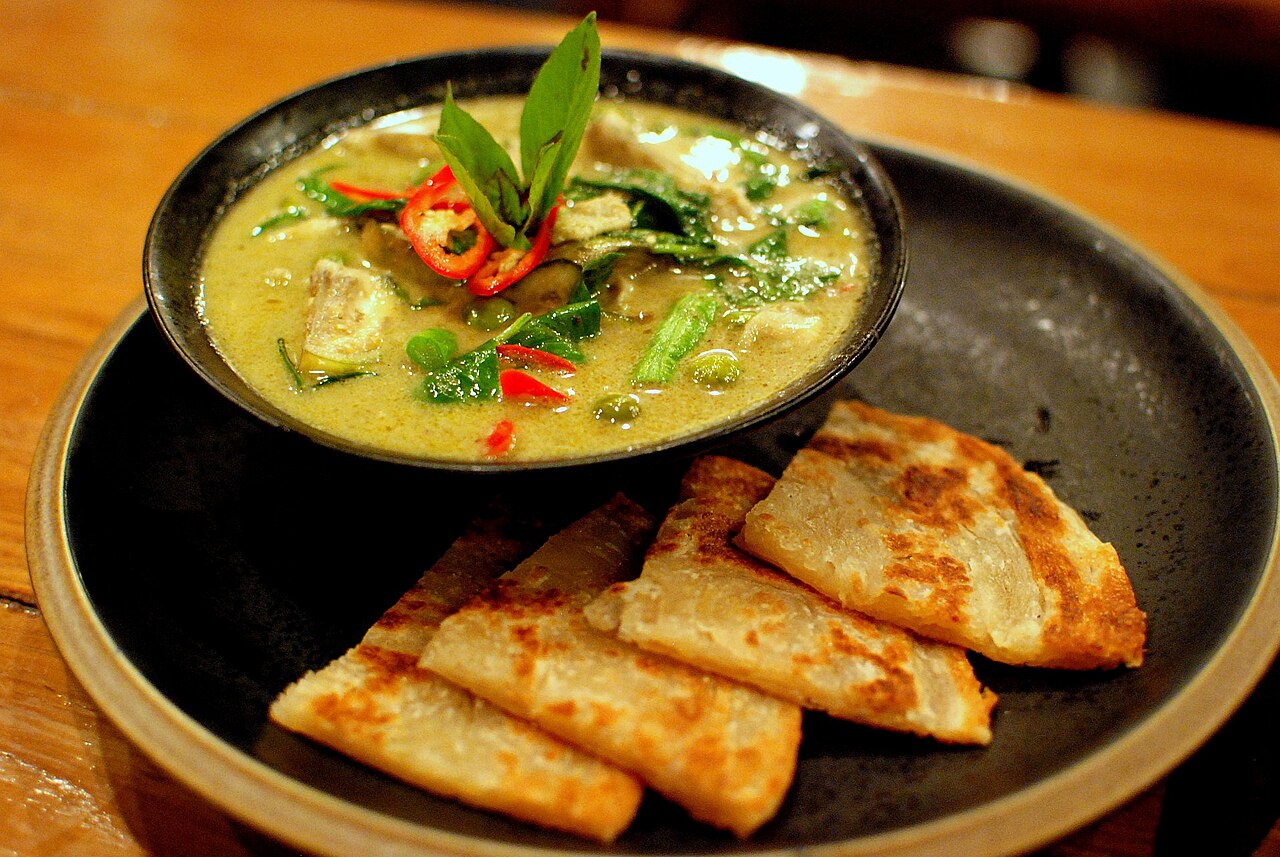
Unlocking Thailand's Flavor: The Secret to Tender Thai Green Chicken Curry
Imagine the vibrant flavors of Thailand dancing on your palate – the aromatic whisper of lemongrass, the fiery kiss of green chilies, and the creamy embrace of coconut milk. For many, this exquisite experience is epitomized by one dish: Thai Green Chicken Curry. Known locally as Kaeng Khiao Wan, which charmingly translates to "sweet green curry," this dish is a cornerstone of Thai cuisine, beloved for its complex yet comforting profile. If you've ever dreamt of strolling through a bustling Phuket market or simply yearned for an authentic taste of Southeast Asia, preparing this curry in your own kitchen is the perfect journey.
Far from being an intimidating culinary feat, a truly authentic Thai Green Chicken Curry is surprisingly simple to create, particularly when you know the right secrets. This isn't about re-inventing a classic; it's about embracing its inherent ease and allowing premium ingredients to shine. In a remarkable 30 minutes, you can conjure a curry that tastes like it's been simmering for hours, rich with a depth of flavor usually associated with street vendors. The key lies in selecting the right components and understanding their interplay, ensuring a tender, juicy chicken and a perfectly spiced, creamy sauce every time. Get ready to impress friends and family by cooking this fragrant and creamy masterpiece, without needing to call for a takeaway.
The Heart of the Curry: Mae Ploy Paste & Green Curry Secrets
The foundation of any exceptional Thai Green Chicken Curry rests squarely on the quality of its curry paste. This isn't just an ingredient; it's the soul of the dish, a vibrant blend of fresh herbs and spices that defines its character. While the allure of homemade curry paste is undeniable for those with time and passion, for the vast majority seeking authentic flavor with weeknight convenience, a good-quality store-bought paste is your culinary ally.
Why Mae Ploy Reigns Supreme
Among the myriad of brands available, one name consistently rises to the top for its unparalleled authenticity and depth: Mae Ploy green curry paste. This isn't merely a recommendation; it's a testament forged through countless taste tests. Mae Ploy delivers a robust, complex flavor profile without the need for additional adjustments. Its paste is a powerhouse of green chilies, garlic, lemongrass, galangal, and other aromatic spices, all perfectly balanced. It saves you precious time without sacrificing the intricate, layered flavors that are the hallmark of traditional Thai cuisine. Stocking Mae Ploy in your pantry is like having a direct line to a Thai street food chef.
Understanding Green Curry Paste: A Spectrum of Spice
Have you ever wondered why green, red, and yellow curry pastes differ so much in heat and flavor? The answer lies primarily in the color and type of chili used as the main ingredient. Green curry paste, with its signature vibrant hue, derives its intensity from fresh, green chilies. These chilies tend to be sharper and hotter than their red counterparts, making green curry generally the spiciest of the trio. Red curry, made with dried red chilies, offers a warm, savory heat, while yellow curry, often incorporating turmeric for its color and milder yellow chilies, is typically the mildest and sweetest. If you wish to understand how to adjust the heat to your preference without compromising the authentic flavor, consider exploring options that guide you on Mild or Spicy? Crafting Your Perfect Thai Green Chicken Curry. While using yellow curry paste would certainly reduce the heat, it would fundamentally alter the traditional flavor profile of a Kaeng Khiao Wan, transforming it into a warmer, sweeter, and less characteristically "green" dish.
The Art of Blooming the Paste
Beyond selecting the right paste, how you introduce it to your pot is crucial. A fundamental technique in Thai cooking is "blooming" the curry paste. This involves gently frying the paste in a little oil (or often, the separated coconut cream) early in the cooking process, before adding the bulk of the coconut milk. This quick step allows the aromatics in the paste to release their full spectrum of flavors, creating a deeper, more fragrant, and layered taste that usually takes hours of simmering to develop. It's a small effort with a massive impact on the final deliciousness of your Thai Green Chicken Curry.
Why Chicken Thighs Reign Supreme for Tender Results
When it comes to crafting a truly tender and juicy Thai Green Chicken Curry, the choice of protein is paramount. While chicken breast might seem like a leaner, quicker option, chicken thighs are the undisputed champion for this particular dish, offering a forgiving nature and unparalleled succulence.
The Science of Tenderness
Chicken thighs, with their slightly higher fat content compared to breast meat, are a treasure trove of flavor. This intramuscular fat not only contributes to a richer taste but also plays a critical role in keeping the meat incredibly moist and tender throughout the cooking process. Unlike lean chicken breast, which can dry out quickly and become stringy if overcooked by even a few minutes, thighs are far more forgiving. This makes them an ideal choice for quick-cooking recipes like this curry, where there's little to no marination time, and you need the meat to carry its own flavor and texture.
Perfect for Weeknight Wonders
The inherent "forgiveness" of chicken thighs is a godsend for busy weeknights. Life happens, and sometimes a few extra minutes pass between checking on the simmering pot and serving dinner. With chicken thighs, you have a buffer; they're much less likely to become dry or tough even if the curry simmers a little longer than intended. This reliability ensures that your Thai Green Chicken Curry remains a delightful experience, free from the stress of perfectly timed cooking. Remember this tip for your future recipes: for quick, flavorful, and forgiving dishes, chicken thighs are often the superior choice.
Mastering the Method: Crafting Authentic Flavor in Minutes
Achieving an authentic Thai Green Chicken Curry isn't just about ingredients; it's also about the clever orchestration of those components. The beauty of this recipe lies in its efficiency, delivering complex flavors through a well-defined sequence of steps.
The Essential Role of Coconut Milk
Beyond the curry paste, coconut milk is the other crucial ingredient that defines a traditional Thai Green Chicken Curry. It serves multiple vital functions: it tempers the spiciness of the green curry paste, creates the dish's signature creamy texture, and carries the flavors throughout. Opt for full-fat coconut milk for the richest, most luxurious sauce – it makes a noticeable difference. The trick is often to start by heating a portion of the thicker coconut cream (which separates from the milk) to bloom the paste, then incorporate the rest of the milk to simmer the chicken and vegetables.
Building Layers of Taste
The success of a rapid curry lies in building flavor layers efficiently. After blooming the Mae Ploy paste until fragrant, the chicken thighs are typically added to sear, locking in juices and developing a deeper savory note. Following this, the remaining coconut milk is introduced, creating the luscious sauce base. Traditional additions like Kaffir lime leaves (bruised to release their citrusy aroma), a splash of fish sauce for umami depth, and a touch of palm sugar to balance the heat and acidity are then stirred in. These ingredients are not optional; they are critical to achieving the quintessential sweet, sour, salty, and spicy balance that defines Thai cuisine. While not explicitly mentioned as ingredients to add separately if you're using Mae Ploy, ensure your recipe accounts for them.
Quick Simmer, Deep Flavor
Once all the primary ingredients are in, the curry needs only a relatively short simmer. This allows the chicken thighs to cook through and become meltingly tender, and for the flavors to meld beautifully. You'll want to add any desired vegetables, such as bamboo shoots, Thai eggplant, or bell peppers, towards the end of this simmering period to ensure they cook through but retain a pleasant texture. This quick, efficient process is how you achieve a curry that tastes like it's been simmering for hours, all within a busy weeknight schedule. For a detailed guide on how to achieve this incredible dish in a snap, check out Authentic Thai Green Chicken Curry in 30 Minutes.
Customizing Your Kaeng Khiao Wan: Heat & Flavor Variations
While authenticity is key, part of the joy of cooking is tailoring a dish to your personal preference. Your Thai Green Chicken Curry can be a canvas for subtle adjustments, particularly when it comes to heat and overall flavor balance.
Adjusting the Heat to Your Liking
As we've established, green curry is inherently spicy. If you find the heat of a standard measure of Mae Ploy paste a bit too intense, there are smart ways to temper it without resorting to a different curry paste that would alter the traditional flavor. The most effective method is to simply use slightly less green curry paste in your recipe. Another technique is to increase the amount of coconut milk, which acts as a fantastic buffer against the spice, making the curry milder and creamier. A touch more palm sugar can also help round out the heat by enhancing the dish's sweetness. Remember, it's easier to add a little more spice later than to remove it once it's in!
Achieving the Perfect Balance
Thai cuisine is renowned for its harmonious balance of four fundamental tastes: spicy, sweet, sour, and salty. Your Thai Green Chicken Curry should embody this symphony. You've got the spice from the paste, the sweetness from palm sugar, and the saltiness from fish sauce. If you desire a brighter, more sour note (though green curry is typically less sour than some other Thai dishes), a squeeze of fresh lime juice can be added right before serving. Taste and adjust these elements gradually. A little more fish sauce can deepen the umami, while a pinch more palm sugar can soften any sharpness. Don't be afraid to trust your palate; it's the best guide to your perfect curry.
Finishing Touches and Accompaniments
To elevate your curry further, consider traditional garnishes like fresh Thai basil leaves (which add another layer of aromatic complexity), slices of fresh red chili (for visual appeal and an extra kick), or a sprinkle of finely chopped Kaffir lime leaves. Serve your Thai Green Chicken Curry with fragrant jasmine rice to soak up every last drop of the rich, flavorful sauce. For an authentic touch, a simple side of fresh cucumber slices can provide a cooling contrast to the curry's warmth.
The Authentic Taste of Thailand, Delivered
Crafting a truly authentic and delicious Thai Green Chicken Curry is a journey into the heart of Thai culinary tradition, yet one that can be surprisingly swift and satisfying. By understanding the critical role of a high-quality green curry paste like Mae Ploy, embracing the forgiving tenderness of chicken thighs, and mastering a few simple techniques like blooming the paste and balancing flavors, you can recreate the vibrant essence of Kaeng Khiao Wan in your own home. This dish isn't just a meal; it's an experience, a fragrant and creamy invitation to explore the tastes of Thailand without leaving your kitchen. So, gather your ingredients, follow these insights, and prepare to delight in a perfectly spiced, exquisitely tender, and utterly authentic Thai Green Chicken Curry that tastes straight from a street vendor, ready in just 30 minutes.
