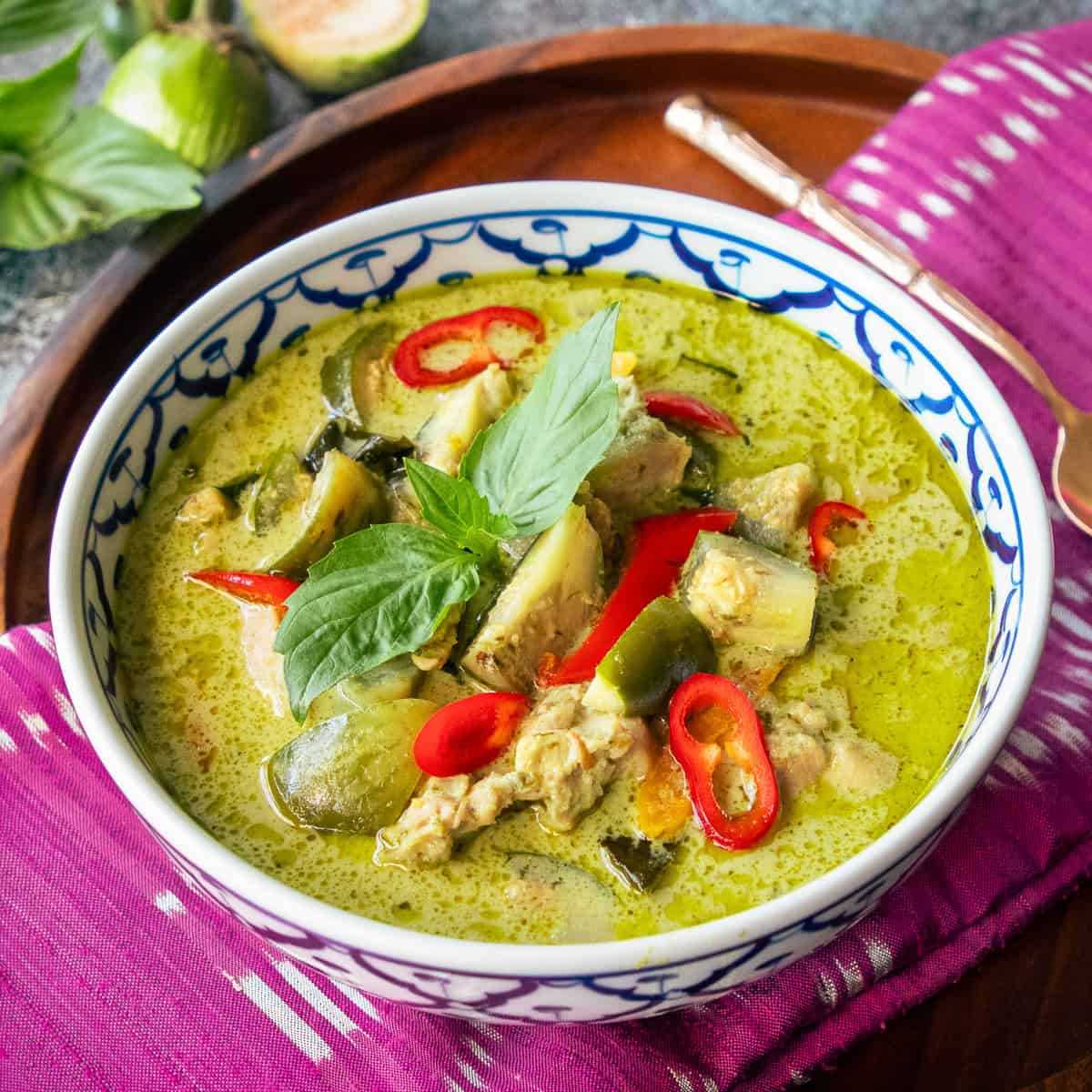
The Allure of Thai Green Chicken Curry: A Taste of Thailand at Home
Few dishes capture the vibrant essence of Thai cuisine quite like an authentic Thai Green Chicken Curry. Its fragrant aroma, creamy texture, and tantalizing balance of sweet, sour, salty, and spicy notes have made it a global favorite. Known traditionally as Kaeng Khiao Wan, which charmingly translates to "sweet green curry," this dish isn't about sugary flavors but rather the beautiful, vibrant green hue and the harmonious blend of ingredients that temper its inherent heat. If you've ever dreamt of experiencing Thailand's culinary magic, this iconic dish offers an immediate passport to its bustling street markets and cozy kitchens, all from the comfort of your home.
For many, the initial encounter with Thai green chicken curry raises a crucial question: how hot will it be? The beauty of this recipe lies in its adaptability. While traditionally known for its fiery kick, crafting your perfect bowl allows you to navigate the spectrum from subtly fragrant to gloriously piquant. This guide will walk you through the secrets to achieving an authentic flavor profile while giving you the reins to tailor the spice level precisely to your preference, ensuring every spoonful is an absolute delight.
The Heart of the Dish: Unpacking Authentic Flavors and Key Ingredients
Achieving that unmistakable Thai restaurant quality in your Thai green chicken curry hinges on a few crucial components and techniques. Forget the notion that authentic flavor requires hours of simmering or an encyclopedic knowledge of Thai spices; this dish is designed to be accessible, delivering profound depth in under an hour.
The Mighty Green Curry Paste: Your Flavor Foundation
The green curry paste is undoubtedly the soul of Kaeng Khiao Wan. A well-made paste is a complex symphony of fresh green chilies, aromatic lemongrass, galangal (Thai ginger), shallots, garlic, kaffir lime zest, and a medley of spices like coriander root and white peppercorns. This potent blend is what gives the curry its signature color, fragrance, and heat.
- Store-Bought vs. Homemade: While making your own paste from scratch offers unparalleled control over flavor and spice (allowing you to add more coriander for color or fewer chilies for less heat, as some brands have become spicier over time), a high-quality store-bought paste is a fantastic shortcut. Brands like Mae Ploy are consistently recommended by chefs and home cooks alike for their authentic depth and balance. It's the same paste many Thai cooks keep stocked for its time-saving benefits without sacrificing flavor.
- The Blooming Technique: Regardless of whether your paste is homemade or store-bought, the secret to unlocking its full aromatic potential lies in "blooming" it. This involves sautéing the paste in a little oil (or the separated cream from the top of the coconut milk) over medium heat for a few minutes before adding other liquids. This quick step allows the aromatics to intensify, creating a richer, more layered flavor profile that mimics hours of simmering.
The Ideal Protein: Why Chicken Thighs Reign Supreme
When it comes to selecting your chicken, thighs are the undisputed champion for Thai green chicken curry. While chicken breast might appeal to those seeking leaner protein, thighs offer a crucial advantage: their higher fat content. This inherent fat keeps the meat incredibly tender and juicy, even if the curry simmers a few minutes longer than planned. Unlike lean breast meat, which can quickly become dry and stringy, chicken thighs are forgiving, making them perfect for weeknight cooking when timing isn't always precise. The fat also contributes significantly to the overall flavor of the curry, creating a richer, more satisfying mouthfeel that truly elevates the dish. For more insights into this choice, explore our article on Tender Thai Green Chicken Curry: Mae Ploy Paste & Thigh Secrets.
Balancing Act: The Crucial Role of Coconut Milk
Coconut milk isn't just a liquid base; it's a critical component that brings creaminess, richness, and, most importantly, balance to your Thai green chicken curry. Its natural sweetness and cooling properties beautifully mellow out the heat of the green curry paste, creating that characteristic harmonious flavor profile. Always opt for good quality, full-fat coconut milk for the best results – it contributes to both texture and taste.
Navigating the Heat: Crafting Your Perfect Spice Level
The beauty of Thai green chicken curry is its versatility, particularly when it comes to spice. While traditionally the hottest among Thai curries, you have full control over the fire. This section will guide you through making it mild or dialing up the heat.
Understanding Curry Paste Heat Levels: Color is Key
Have you ever wondered why green, red, and yellow curry pastes differ so much in heat? The answer lies primarily in the type and quantity of chilies used:
- Green Curry Paste: Typically the hottest. It’s made with fresh, young green chilies which are sharper and more potent than their ripened counterparts. Its vibrant color is also enhanced by fresh herbs like cilantro and spring onions, especially in homemade versions.
- Red Curry Paste: Milder than green, as it uses dried red chilies. These often have a deeper, fruitier flavor profile.
- Yellow Curry Paste: The mildest of the trio. It incorporates dried yellow or red chilies (often in smaller quantities), turmeric (giving it its distinct color), and sometimes curry powder, resulting in a warmer, sweeter flavor.
Tips for a Milder Thai Green Chicken Curry
Achieving a mild Thai green chicken curry without sacrificing its authentic essence is entirely possible:
- Reduce Paste Quantity: This is the simplest method. Start with less green curry paste than the recipe calls for, and taste as you go. You can always add more, but you can't take it away!
- Increase Coconut Milk: Coconut milk is a natural coolant. Adding a little extra towards the end of cooking can help mellow out the spice without diluting the flavor too much.
- Add Sugar/Palm Sugar: A touch of palm sugar (or brown sugar) helps to balance and round out the flavors, subtly offsetting the chili heat. Remember, "sweet" in Kaeng Khiao Wan refers to balance and color, not an overly sugary taste.
- Introduce Extra Vegetables: Loading your curry with more vegetables like bamboo shoots, bell peppers, or Thai eggplant can increase the overall volume of the dish relative to the amount of chili paste, thereby dispersing the heat.
- Consider Homemade Paste: If you're adventurous, making your own green curry paste allows ultimate control over the number of green chilies. You can opt for less potent varieties or simply use fewer chilies overall.
- Acknowledge the Flavor Shift (Yellow Curry): While you *can* make a "green curry" with yellow curry paste for a very mild experience, understand that the flavor profile will shift significantly. It won't be a traditional green curry anymore, but rather a warmer, sweeter, and distinctly yellow curry taste.
Dialing Up the Heat for a Spicy Kick
For those who crave the exhilarating burn of a truly spicy Thai green chicken curry, here's how to intensify the heat:
- Increase Green Curry Paste: The most straightforward approach is to simply use more green curry paste. Taste as you add, ensuring it reaches your desired spice level without becoming overwhelmingly salty.
- Add Fresh Chilies: Incorporate thinly sliced fresh green bird's eye chilies (or even red ones for color contrast) directly into the curry during the last few minutes of cooking, or as a garnish. Be warned: a little goes a long way!
- Serve Chili Flakes: Offer dried chili flakes or a small dish of fish sauce with sliced bird's eye chilies (prik nam pla) on the side, allowing individual diners to customize their heat.
Beyond the Basics: Elevating Your Thai Green Chicken Curry Experience
Once you’ve mastered the core techniques and found your ideal spice level, consider these additional tips to truly elevate your Thai green chicken curry.
- Fresh Herbs and Garnish: A sprinkle of fresh Thai basil leaves (added at the very end to preserve their vibrant color and aroma) and a few kaffir lime leaves (bruised to release their fragrance) can significantly brighten the dish. Sliced red chilies or a drizzle of chili oil can also be used for garnish and an extra heat boost.
- Serving Suggestions: Always serve Thai green chicken curry with plenty of fluffy jasmine rice, which acts as the perfect canvas to absorb the rich sauce and temper the spice. A side of fresh cucumber slices or a simple cucumber salad can also provide a refreshing counterpoint to the curry's richness.
- Vegetable Additions: While chicken is traditional, feel free to add other vegetables like bamboo shoots, Thai eggplant (small, round green eggplants), snap peas, or bell peppers. Add them according to their cooking times, ensuring they remain slightly crisp.
- Make Ahead and Meal Prep: This curry often tastes even better the next day as the flavors have more time to meld. It's an excellent candidate for meal prep, making it a convenient and delicious weeknight option.
Conclusion: Your Journey to the Perfect Thai Green Chicken Curry
Crafting your perfect Thai green chicken curry is a delightful culinary journey, one that empowers you to explore the rich tapestry of Thai flavors and customize them to your personal taste. Whether you prefer a gentle warmth or a fiery kick, the secrets lie in understanding your ingredients – from the quality of your green curry paste and the cut of chicken to the balancing act of coconut milk. By following these guidelines and experimenting with confidence, you're not just cooking a meal; you're creating an authentic, personalized taste of Thailand, ready to be enjoyed any day of the week.
